


BUILD YOUR CO₂ SYSTEMTHE SINGLE BIGGEST UPGRADEFOR YOUR PLANTED TANK
Most planted tanks never reach their potential, not from lack of effort, but from one missing variable. CO₂ changes everything. We'll help you get the right setup in 60 seconds.
Answer 7 questions. Get your perfect bundle.
Your Plants Are Surviving, Not Thriving
You've done everything right — good substrate, quality fertilisers, the right lighting schedule. But something is still missing.
- Slow or stunted growth despite good lighting and ferts
- Yellowing or pale leaves that don't respond to nutrient top-ups
- Plants that just survive rather than flourishing and pearling
- Persistent algae that keeps coming back no matter what you try
- Your tank looks okay, but never like the aquascapes you see online

CO₂ Is What Changes Everything
Carbon dioxide is the primary building block of plant tissue. Without enough of it, even the best lighting and fertilisers can't unlock your plants' full potential.

Explosive Growth
CO₂ is the rate-limiting factor in photosynthesis for most planted tanks. Adding it unlocks growth you simply can't achieve otherwise, plants that double in size within weeks, not months.
2–3× faster growth
Richer Colour
CO₂ drives the intense reds, deep greens and vivid hues that separate a great aquascape from a mediocre one. Many plants won't show their true colours without adequate CO₂.
Noticeably more vibrant
Algae Control
Healthy, fast-growing plants outcompete algae for nutrients and light. Stable CO₂ is one of the most effective long-term algae prevention strategies available to planted tank keepers.
Reduces algae significantlyWhat to Expect When You Add CO₂
 Without CO₂
 With CO₂
Aquascapers On CO₂
"I was nervous about CO₂ thought it was for serious hobbyists only. Within two weeks of setting up my co2, my plants were pearling every afternoon. Wish I'd done it years ago."

"The bundle builder was so helpful I didn't know the difference between a single and dual stage regulator. Now my 90L is absolutely lush. No more BBA either, which is a miracle."

"Fast shipping, great advice from the team, and the inline atomiser they recommended is completely hidden in my pipework. Tank looks cleaner and grows better than ever."

Questions We Hear Before People Start
Is CO₂ safe for my fish?
Yes when setup correctly. The key is running CO₂ on a timer that switches on 1-2 hours before lights and off 1 hour before lights out and having a decent amount of plants to oxygenate the water. Most natural environments have elevated levels of carbon dioxide (10- 40+ppm). Fish have lived happily in CO₂ saturated rivers and tanks for decades.
Is it too complicated for me?
It's simpler than it looks. Connect regulator to cylinder, diffuser to regulator via tubing, plug into a timer. Our bundle builder matches every component so everything just works together. No guesswork.
Is it worth the cost?
A quality CO₂ setup is a one-time purchase, regulators last years. A 3.5kg Cylinder refills cost around $75 and is typically refilled once a year - subject to usage. It's the single best dollar-for-dollar upgrade in planted tank keeping.
Do I need CO₂ for a low-tech tank?
Not necessarily many beautiful low-tech tanks thrive without it. But if your plants are struggling despite good care, or you want to grow demanding species, CO₂ is almost always the answer.
Get Your Perfect CO₂ Setup in 60 Seconds
Answer 7 quick questions about your tank and we'll recommend the exact regulator, diffuser, and accessories that work together — no research required.
Every component is compatibility-checked for your setup

What Size Is Your Aquarium?
This helps us recommend the right sized diffuser for your tank — larger tanks need higher-output diffusers to dissolve enough CO₂ across the full water volume.
What CO₂ Cylinder Do You Use?
This determines thread compatibility. Sodastream cylinders use a different thread and require an adapter for standard regulators.
What Filter Do You Run?
Pick Your Regulator
A CO₂ regulator sits on top of your cylinder and controls the gas flow into your aquarium.


Aquapro
Aquapro Single Stage Compact CO2 Regulator
Compact smart regulator with dual gauge and solenoid. Great entry-level option.

CO₂ Regulator
Aquapro
Aquapro Single Stage Compact CO2 Regulator
- Sale price
- $179.99
- Regular price
- $179.99
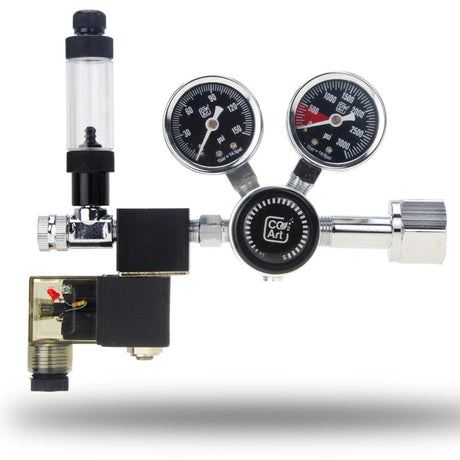
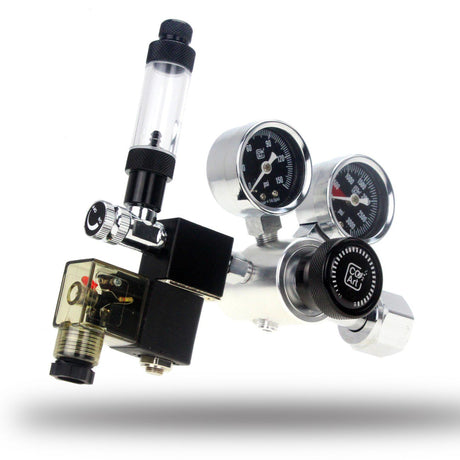
Co2 Art
Co2 Art PRO-SE Series Dual Stage Regulator
True dual-stage with integrated solenoid. Our most popular regulator.

CO₂ Regulator
Co2 Art
Co2 Art PRO-SE Series Dual Stage Regulator
- Sale price
- $331.99
- Regular price
- $331.99


Wyin Aqua
Wyin Aqua Dual Stage Smart CO₂ Modular Regulator
Full dual-stage modular design with smart solenoid. Great value.

CO₂ Regulator
Wyin Aqua
Wyin Aqua Dual Stage Smart CO₂ Modular Regulator
- Sale price
- $279.99
- Regular price
- $279.99
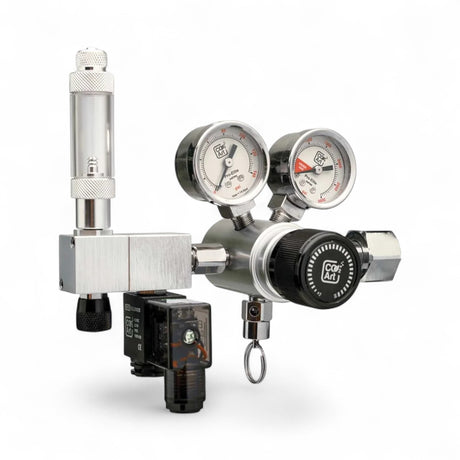
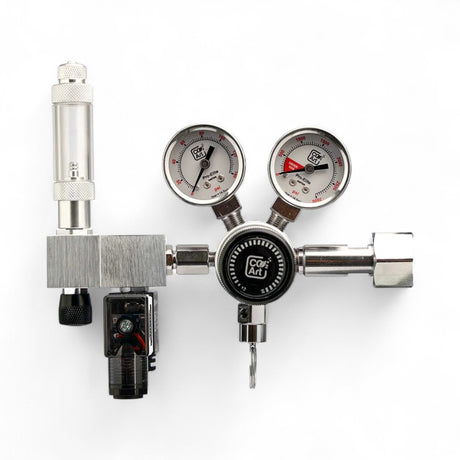
Co2 Art
Co2 Art PRO-ELITE Series v2 The Most Advanced Aquarium Dual Stage CO2 Regulator
The most advanced aquarium CO₂ regulator available. Maximum precision.

CO₂ Regulator
Co2 Art
Co2 Art PRO-ELITE Series v2 The Most Advanced Aquarium Dual Stage CO2 Regulator
- Sale price
- $559.99
- Regular price
- $559.99
Choose Your Diffuser
What’s Your Filter Hose Diameter?
BSFH
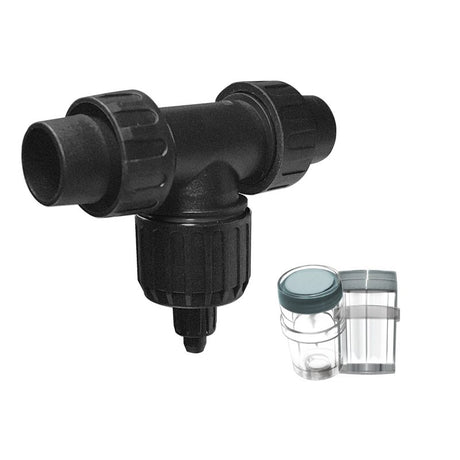
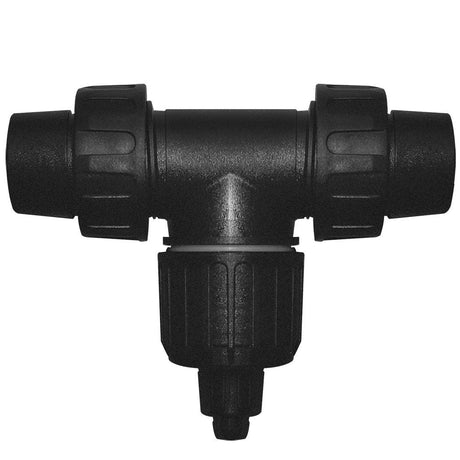
Co2 Inline Atomizer
12/16mm
Budget inline atomizer for 12/16mm hose. Hidden in your pipework for a clean look.


Wyin Aqua
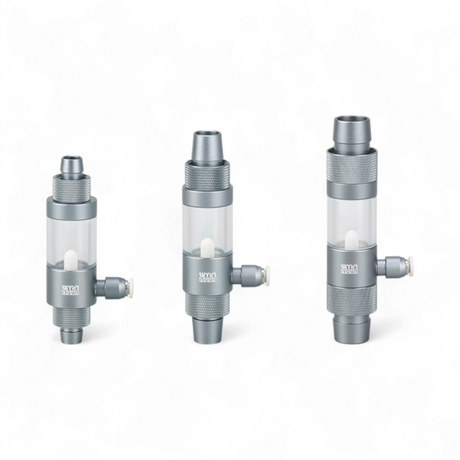
Wyin Aqua External Inline CO₂ Diffuser
12/16 mm
Premium inline diffuser with replaceable ceramic membrane. Near 100% dissolution.

CO₂ Diffuser
Wyin Aqua
Wyin Aqua External Inline CO₂ Diffuser
- Size:
- 12/16 mm
- Sale price
- $59.99
- Regular price
- $59.99

Wyin Aqua
Wyin Aqua External Inline CO₂ Diffuser
16/22 mm
High-flow inline diffuser for 16/22mm hose. Excellent dissolution rate.

CO₂ Diffuser
Wyin Aqua
Wyin Aqua External Inline CO₂ Diffuser
- Size:
- 16/22 mm
- Sale price
- $64.99
- Regular price
- $64.99

Co2 Art
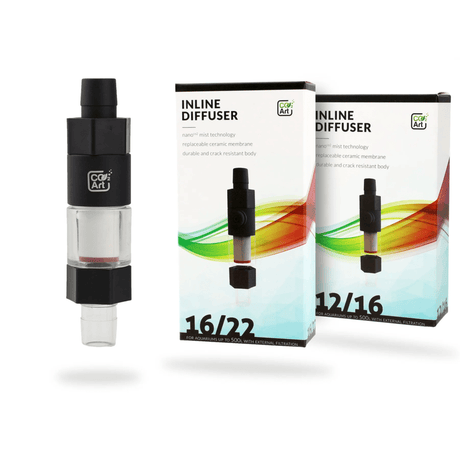
Co2 Art Inline Diffuser
16/22mm
Premium inline diffuser with the finest ceramic membrane on the market.

CO₂ Diffuser
Co2 Art
- Filter Hose Size:
- 16/22mm
- Sale price
- $85.99
- Regular price
- $85.99

Wyin Aqua
Wyin Aqua External Inline CO₂ Diffuser
20/25mm
High-flow inline diffuser for large hose setups.

CO₂ Diffuser
Wyin Aqua
Wyin Aqua External Inline CO₂ Diffuser
- Size:
- 20/25mm
- Sale price
- $66.99
- Regular price
- $66.99

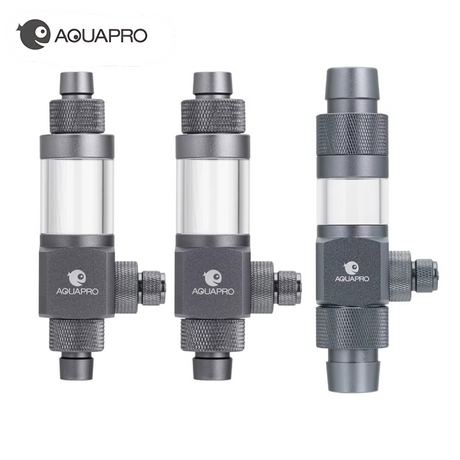
Aquapro
Aquapro External Inline CO₂ Diffuser
20/25mm
Premium large-bore inline diffuser. Maximum dissolution efficiency.

CO₂ Diffuser
Aquapro
Aquapro External Inline CO₂ Diffuser
- Filter Hose Size:
- 20/25mm
- Sale price
- $66.99
- Regular price
- $66.99

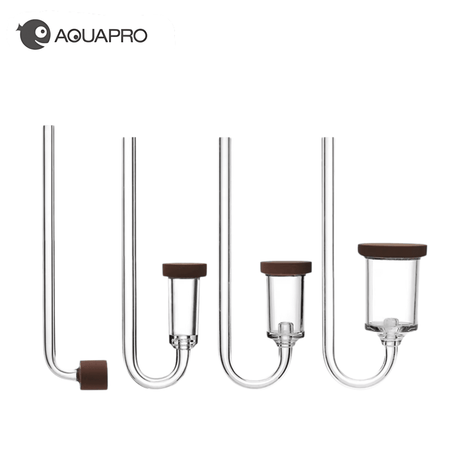
Aquapro
Aquapro Neo Co2 Diffuser
Tiny
Compact in-tank diffuser. Simple suction-cup mount.


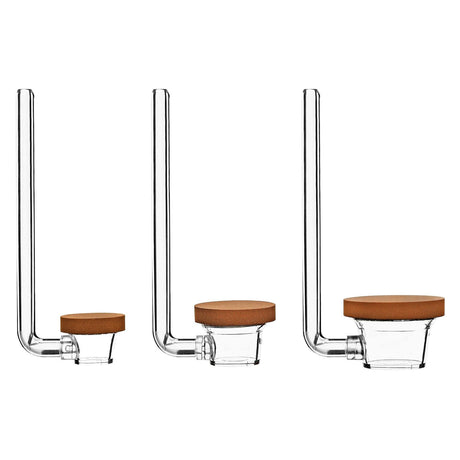
Twinstar
Twinstar Neo Co2 Diffuser
Small
Premium nano diffuser producing noticeably finer mist.


Aquapro
Aquapro Neo Co2 Diffuser
Large
Compact in-tank diffuser. Simple suction-cup mount.

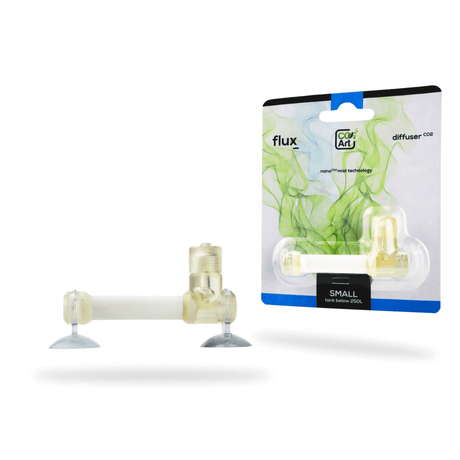
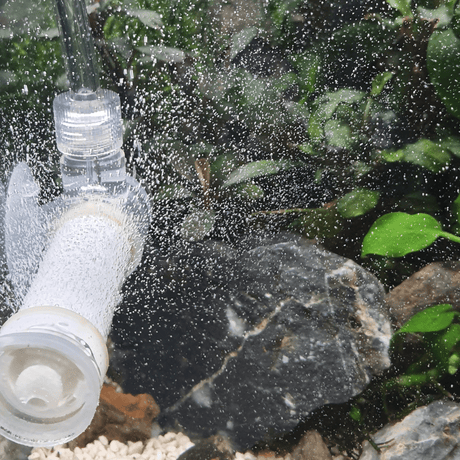
Co2 Art
Co2 Art Bazooka Flux Diffuser
Small
World's finest precision CO2 Flux Bazooka In-Tank Diffuser.

CO₂ Diffuser
Co2 Art
- Co2 Diffuser Size:
- Small
- Sale price
- $54.99
- Regular price
- $54.99
Aquapro
Aquapro Neo Co2 Diffuser
Large
Budget-friendly large diffuser with solid output.

Co2 Art
Co2 Art Bazooka Flux Diffuser
Large
World's finest precision CO2 Flux Bazooka In-Tank Diffuser - Large

CO₂ Diffuser
Co2 Art
- Co2 Diffuser Size:
- Large
- Sale price
- $59.99
- Regular price
- $59.99
Select Your CO₂ Hose
Standard airline tubing lets CO₂ bleed through the walls — our pressure-rated CO₂ tubing keeps every bubble in the line.
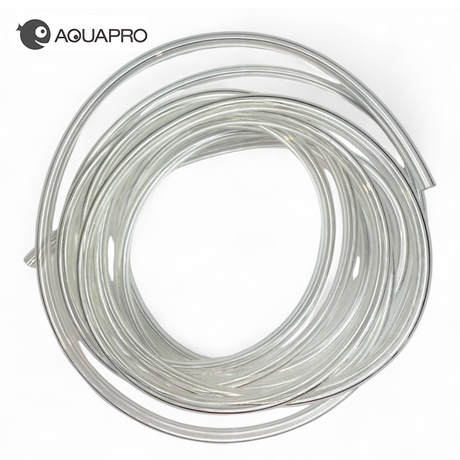
Aquapro
Aquapro Polyurethane CO₂ Tubing - Clear
3 meters
Pressure-rated polyurethane tubing. 3 metres suits most setups.

CO₂ Tubing
Aquapro
Aquapro Polyurethane CO₂ Tubing - Clear
- Length:
- 3 meters
- Sale price
- $14.99
- Regular price
- $14.99
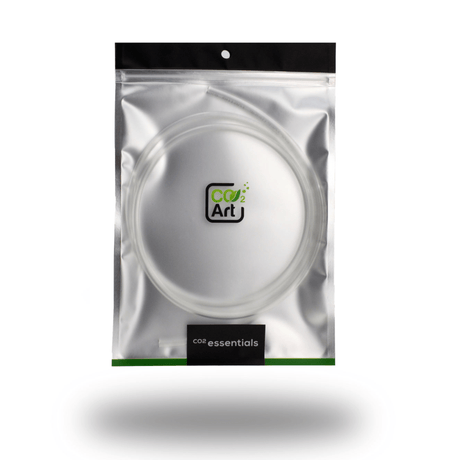
Co2 Art
CO2 Art Clear CO2 Resistant Aquarium Tubing
3 meters
Premium CO₂-proof tubing. Zero gas bleed-through.

CO₂ Tubing
Co2 Art
CO2 Art Clear CO2 Resistant Aquarium Tubing
- Length:
- 3 meters
- Sale price
- $21.99
- Regular price
- $21.99
Co2 Art
CO2 Art Clear CO2 Resistant Aquarium Tubing
6 meters
Extra-long 6m run for larger setups or cabinets further from the tank.
CO₂ Tubing
Co2 Art
CO2 Art Clear CO2 Resistant Aquarium Tubing
- Length:
- 6 meters
- Sale price
- $32.99
- Regular price
- $32.99
Complete Your Setup
Not required, but each item plays a specific role in a properly dialled-in CO₂ system. Add as many as you like.
Recommended for Sodastream
The Aquascape Shop
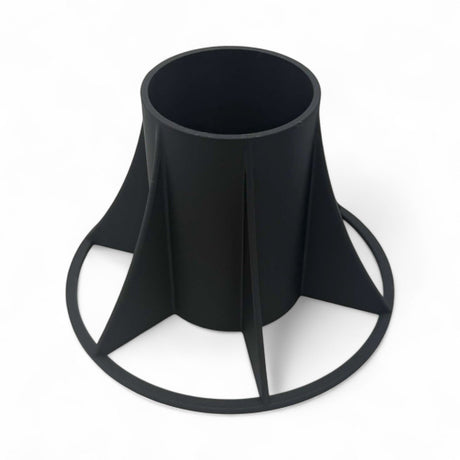
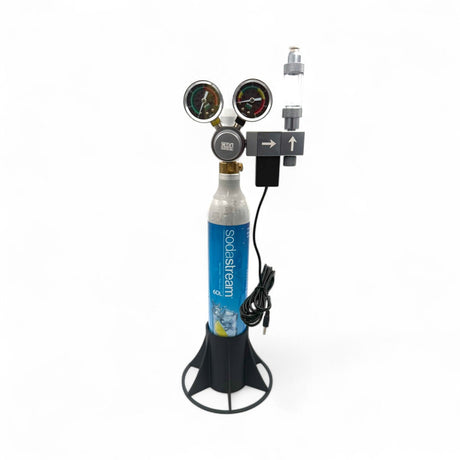
Sodastream CO₂ Cylinder Stand
Black
Keeps your Sodastream cylinder upright and stable, especially when the regulator on top makes the setup top-heavy.

Cylinder Stand
The Aquascape Shop
- Colour:
- Black
- Sale price
- $14.99
- Regular price
- $14.99
Recommended Add-ons Optional
Co2 Art
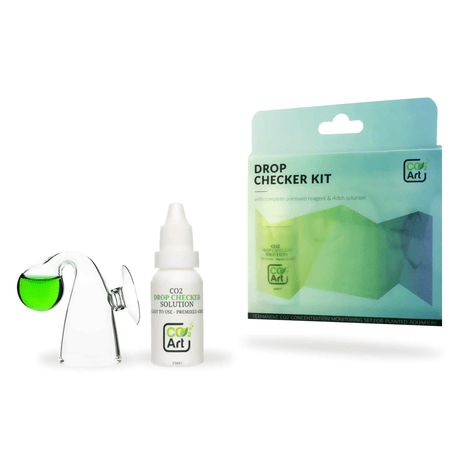
CO2 Art Co2 Glass Drop Checker Kit
Premium glass drop checker with solution included. Precise monitoring.

HANNA
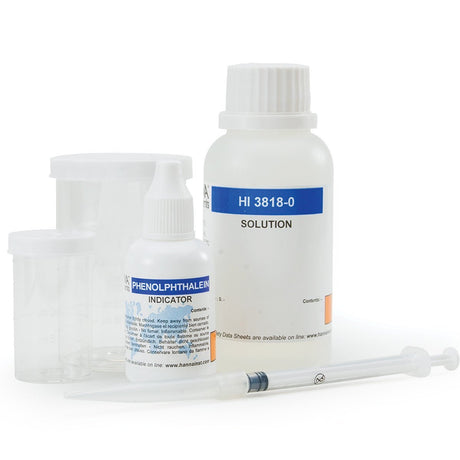
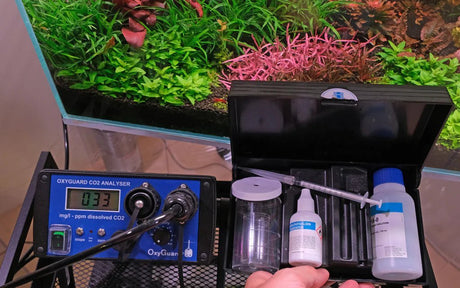
Carbon Dioxide (Co2) Test Kit
Precise titration measuring kit, allows you to accurately measure the amount of dissolved Co2 in ppm. Best for initial calibration and dialing in your bubble count.


Week Aqua
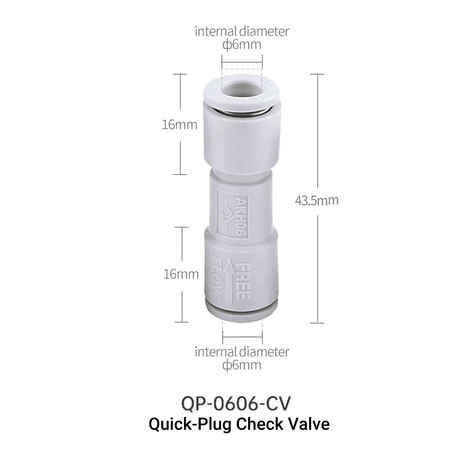
Week Aqua Quick-Plug Check Valve
Stops water siphoning back into your regulator when the gas is off. Push-fit quick-plug for standard CO₂ tubing — protects a $180–560 regulator for under $13.

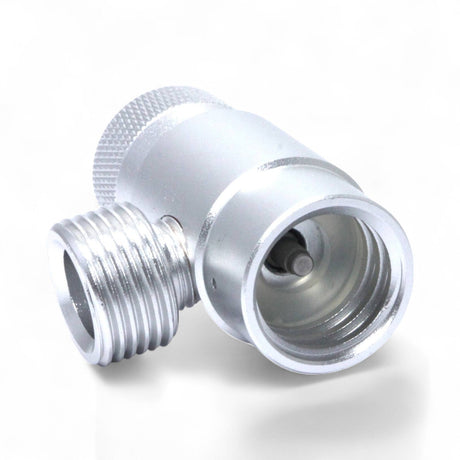
Aquascaping Essentials
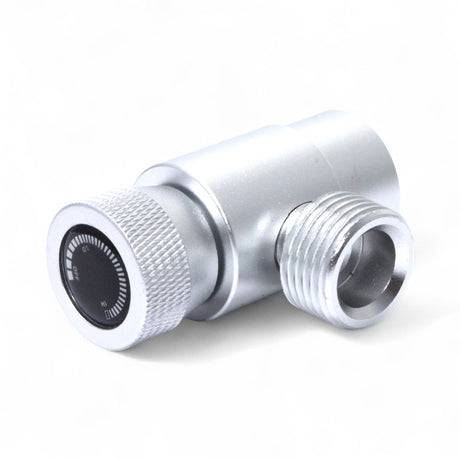
Aquascaping Essentials CO₂ Sodastream Adapter – Side-Entry

Sodastream Adapter
Aquascaping Essentials
Aquascaping Essentials CO₂ Sodastream Adapter – Side-Entry
- Sale price
- $49.99
- Regular price
- $49.99

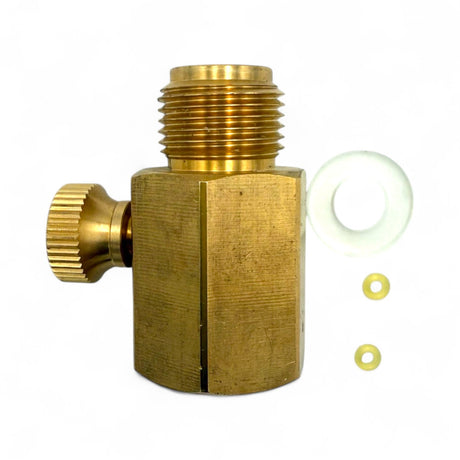
Aquascaping Essentials
Aquascaping Essentials Brass CO₂ Sodastream Adapter

Sodastream Adapter
Aquascaping Essentials
Aquascaping Essentials Brass CO₂ Sodastream Adapter
- Sale price
- $49.99
- Regular price
- $49.99
Your Custom CO₂ Bundle
Everything matched to your tank, ready to add to cart.
Compatibility checked. Every part is matched to your answers.
Free courier shipping. Your order is over $150, so it ships next business day. Rural addresses $6.90.
Not included: a CO₂ cylinder and a plug-in timer. Shop cylinders
Frequently Asked Questions
Getting Started with Co2 Injection
What do I need for a complete CO2 system?
What do I need for a complete CO2 system?
Four essentials: a CO2 cylinder (stores the gas), a regulator with solenoid (controls flow and automates on/off), CO2-resistant tubing, and a diffuser or atomizer (dissolves CO2 into your water). Our bundle builder walks you through each step. You will need to buy your own timer and cylinder!
Is setting up a CO2 system difficult?
Is setting up a CO2 system difficult?
Not at all. Once you have the parts, it's essentially: screw the regulator onto the cylinder, connect tubing to your diffuser, set your bubble rate, and plug the solenoid into a timer. Most people are up and running in under 30 minutes.
Do I really need CO2 for my planted tank?
Do I really need CO2 for my planted tank?
Plants use more carbon than all other nutrients combined. Without CO2, you're limited to a small range of hardy, slow-growing species. With CO2 injection, you unlock vibrant reds, dense carpets, and dramatically faster, healthier growth. It's the single biggest upgrade you can make to a planted tank.
Is CO2 beneficial even for low-light tanks?
Is CO2 beneficial even for low-light tanks?
Absolutely. Low light + CO2 is actually one of the most stable and easy-to-manage combinations. You get healthy, consistent growth with fewer algae issues, perfect for aquarists who want a lush tank without intense lighting.
What's the difference between a "high tech" and "low tech" tank?
What's the difference between a "high tech" and "low tech" tank?
"High tech" simply means you're injecting CO2. The term sounds intimidating but the setup is straightforward. Going high tech lets you grow a much wider variety of plants with better colour, density, and growth rates.
What else do I need besides a CO2 system?
What else do I need besides a CO2 system?
CO2 is one piece of the puzzle — for the best results you'll also want good lighting and a fertiliser routine. Strong lighting drives photosynthesis, which is what allows your plants to actually use the CO2. Fertilisers provide the nutrients (nitrogen, phosphorus, potassium, iron and trace elements) that plants need to grow. Think of it as a triangle — light, CO2, and nutrients. When all three are balanced, your plants thrive. We carry a full range of lights and high quality fertilisers if you need them.
Regulators & Solenoids
What's the difference between a single-stage and dual-stage regulator?
What's the difference between a single-stage and dual-stage regulator?
A single-stage regulator reduces cylinder pressure to working pressure in one step. A dual-stage regulator does it in two steps, which means the output pressure stays more consistent as your cylinder empties over time. Both get the job done. Dual-stage just offers added precision and stability.
What does the solenoid do?
What does the solenoid do?
The solenoid is an electronic valve built into the regulator that lets you automate your CO2 with a timer. You only need CO2 running during your light period — the solenoid shuts off the gas at night, saving CO2 and keeping your fish safe while they sleep.
Do I need a bubble counter?
Do I need a bubble counter?
A bubble counter lets you visually monitor your injection rate by counting bubbles per second. Many regulators have one built in. It's useful for setting a consistent rate and noticing if anything changes.
Co2 Diffusion Methods
How do I know what size my canister filter hoses are?
How do I know what size my canister filter hoses are?
The easiest way is to check your filter’s specifications—most brands list hose sizes as inner diameter (ID) and outer diameter (OD), like 12/16mm or 16/22mm.
If you’re unsure or don’t have the specs:
- Measure the hose directly using a ruler or caliper (measure the inner and outer diameter in millimetres).
- Check the model online—search your filter name and it will usually list the hose size.
- Look at common standards:
Small filters: typically 12/16mm
Larger filters: typically 16/22mm
If you’re still not sure, send us your filter model or a photo and we’ll help you match it correctly.
What's the difference between an in-tank diffuser, inline diffuser, and inline atomizer?
What's the difference between an in-tank diffuser, inline diffuser, and inline atomizer?
In-tank diffusers (like the Aquapro Neo or Ruby) sit inside your tank. They are aordable, easy to install, and great for smaller setups. Inline diffusers and atomizers (like the CO2Art Inline or Qanvee Atomizer) connect to your filter tubing outside the tank — cleaner look, less maintenance, and often more efficient CO2 dissolution.
Where should I place an in-tank diffuser?
Where should I place an in-tank diffuser?
Place it in the downward flow path created by your filter output. This pushes the CO2 mist down and around the tank, maximising contact time with the water before bubbles reach the surface.
How often do diffusers need cleaning?
How often do diffusers need cleaning?
In-tank diffusers should be cleaned every 4–6 weeks as they clog with debris and biofilm . A soak in diluted bleach or hydrogen peroxide restores them. Inline diffusers and atomizers need less frequent cleaning since they're not exposed to the tank environment.
Bundle & Ordering
Are all the products in my bundle compatible with each other?
Are all the products in my bundle compatible with each other?
Yes. The bundle builder only shows you products that are compatible with your tank size, cylinder type, and filter type. Every combination is tested and guaranteed to work together. The cylinder is NOT included in the bundle builder.
Can I swap out a product after I've added the bundle to my cart?
Can I swap out a product after I've added the bundle to my cart?
Absolutely. The bundle adds individual products to your cart — you can remove or change any item before checkout, just like any other order.
Can I get personalised advice?
Can I get personalised advice?
Yes, just email us or give us a ring, happy to help!
Ongoing Use
How long does a CO2 cylinder last?
How long does a CO2 cylinder last?
It depends on your cylinder size and bubble count, but they last a long time. A Sodastream 60L cylinder at 1 bubble per second can last up to 6 weeks. A standard 3kg cylinder at 10 bubbles per second can last up to 8 months. The best part is once your system is set up, the only time you'll touch it again is when it's time to take your cylinder for a refill.
Where can I get my CO2 cylinder refilled?
Where can I get my CO2 cylinder refilled?
Standard cylinders can be refilled at most gas suppliers, homebrew shops, and some fire extinguisher services a refill typically costs around $70 for 3kg. Sodastream cylinders can be swapped at most supermarkets and department stores. Either way, refills are easy to find and inexpensive.
How do I know if my CO2 levels are right?
How do I know if my CO2 levels are right?
If you're just starting out, a drop checker is the easiest way — it's a small glass indicator that sits inside your tank. Lime green means your levels are perfect. Blue means not enough CO2. Yellow means too much. For more precise measurement, a CO2 test kit lets you measure levels down to ppm — aim for 30ppm. Make sure you have good gas exchange, a filter that can circulate the CO2 throughout the tank, and plenty of plants to photosynthesise and produce oxygen for your fish.